Los Rios Historic District
Among California's most continuously inhabited residential streets — Mission-era adobes, Rios-family continuity, and 6.2 acres of strict preservation
Los Rios doesn't behave like a historic district. There's no welcome arch, no admission fee, no docent. There's a compact street, three 1794 adobes still on their original foundations, and private households living next to a Mission that draws a steady visitor flow. The Rios family has occupied their adobe at 31781 Los Rios continuously since 1794. The math is unusual: among California's most continuously inhabited residential streets, it's also one of Orange County's most compact historic districts.
The Big Picture
The street runs four blocks parallel to the Metrolink tracks in downtown San Juan Capistrano, bound by Del Obispo to the south and Mission Street to the north. It sits one block from Mission San Juan Capistrano (founded 1776) and shares a block with the 1894 Capistrano Depot.
The original forty adobes were built in 1794 to house Mission ranch workers, soldiers, and Acjachemen laborers, formally renamed Juaneño by the Franciscans. Most were replaced between 1887 and 1910 with vernacular board-and-batten houses built by European immigrants. Three originals survive: the Rios Adobe (31781), Silvas Adobe (31861), and Montañez Adobe (31745). Those three plus 28 contributing late-19th and early-20th century structures make up the National Register district.
The whole district was added to the National Register on April 4, 1983, and is protected by the Los Rios Specific Plan (78-01). In portions of the Specific Plan area, development standards are extremely restrictive. Translation: expansion, subdivision, and ordinary remodel flexibility cannot be assumed here. The plan is what kept Los Rios from becoming the parking lot for the Mission.
The Highlights
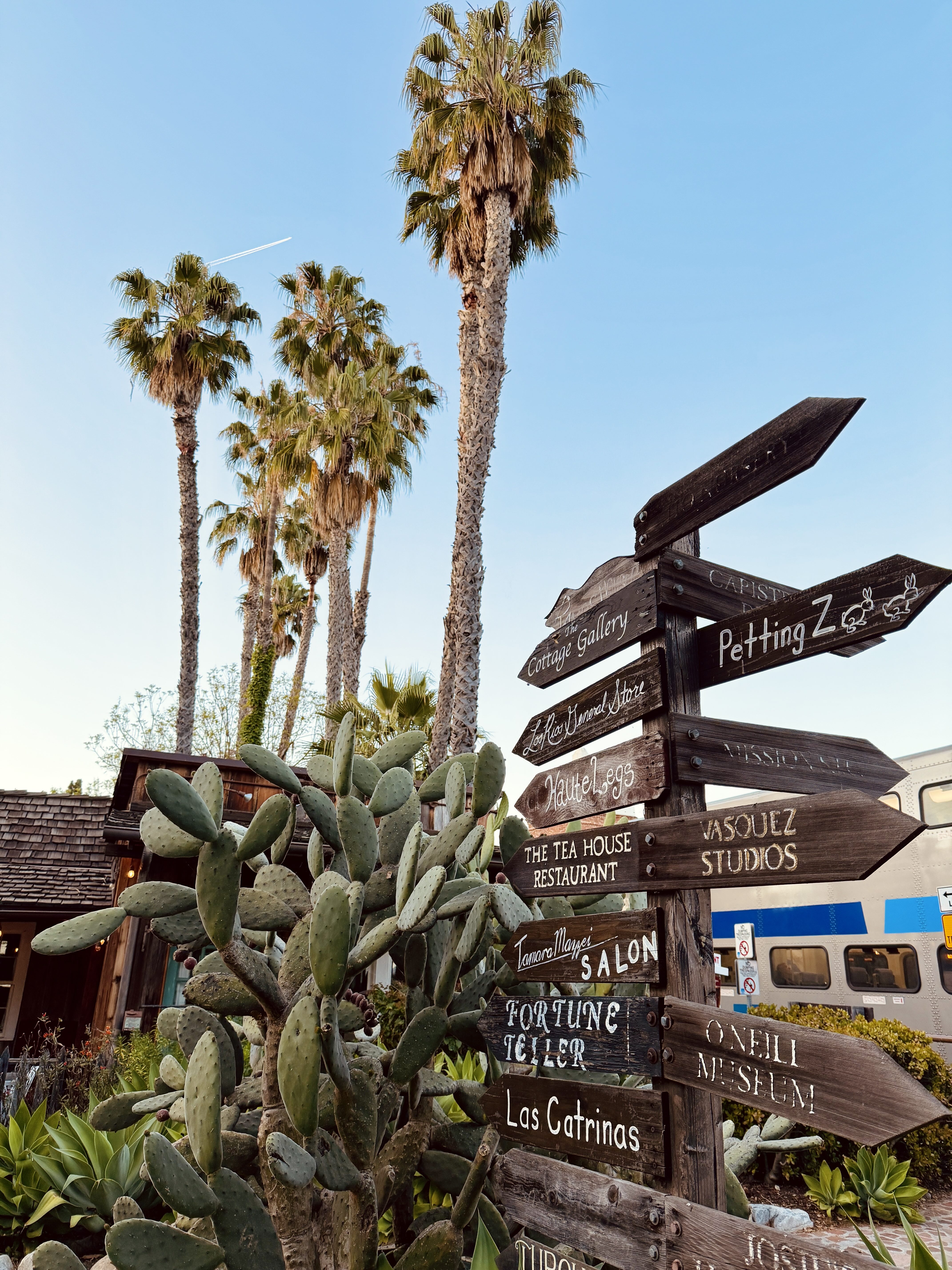
The district's defining characteristics: preservation controls stricter than many HOAs, with ownership carrying custodial obligations under the Los Rios Specific Plan. Exterior colors, materials, signage, fencing, and additions all fall under historic and design review. The Montañez Adobe is owned by the City of San Juan Capistrano and stewarded by the SJC Docent Society (which separated from the Historical Society in 2018). The Silvas Adobe remains privately owned with viewings restricted to the street. Several houses operate as restaurants or galleries by accessory use permit.
The street carries a steady visitor flow between the Mission, depot, and River Street Marketplace. Front porches often become part of heritage walks. Mission bells ring daily. The Pacific Surfliner and Metrolink run along the eastern edge; quiet-zone protections soften but do not eliminate rail noise.
Lifestyle & Pace
Daily life runs on two clocks: the residents' and the visitors'. Mornings on Los Rios are quiet. The depot pulls commuters before sunrise, and the Mission opens at 9. Later in the day, the street fills with people heading to Ramos House Café, The Tea House, Los Rios Park, or the Mission.
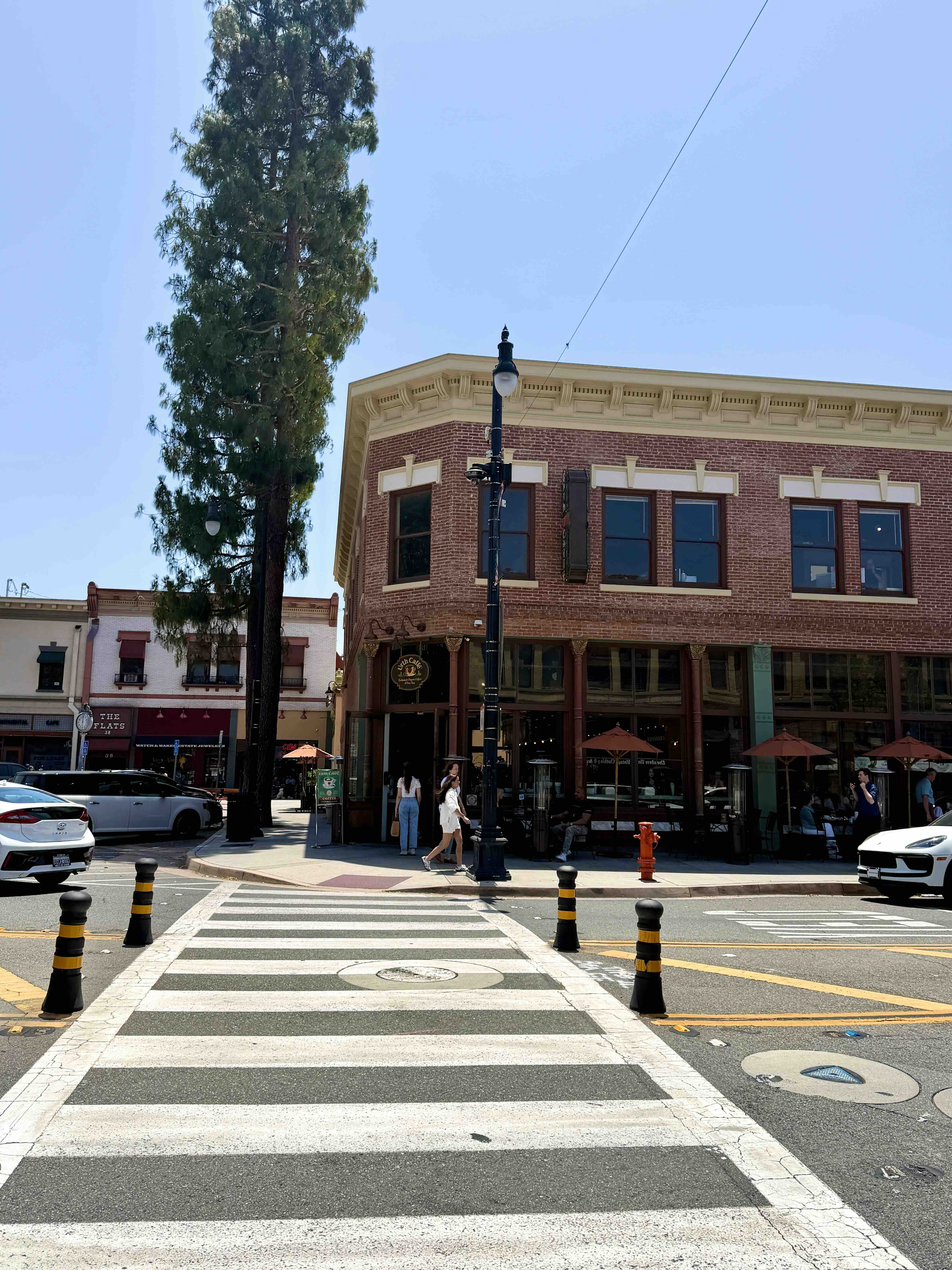
The 2024 opening of River Street Marketplace at the district's edge sharpened the two-clock rhythm. River Street brought elevated dining, retail, and weekend crowds that did not exist in the same way before. The marketplace is intentionally designed in agrarian architecture, but residents will tell you the construction and traffic changed the feel of the edge of the district.
Field Guide: Three Ways Los Rios Shows Itself
Fig. 01 — The Two-Foot Wall
The Montañez Adobe at 31745 has original adobe walls roughly two feet thick. Stand against one in August and the temperature drops noticeably. This is what 1794 construction actually feels like: thermal mass doing the work of central air.
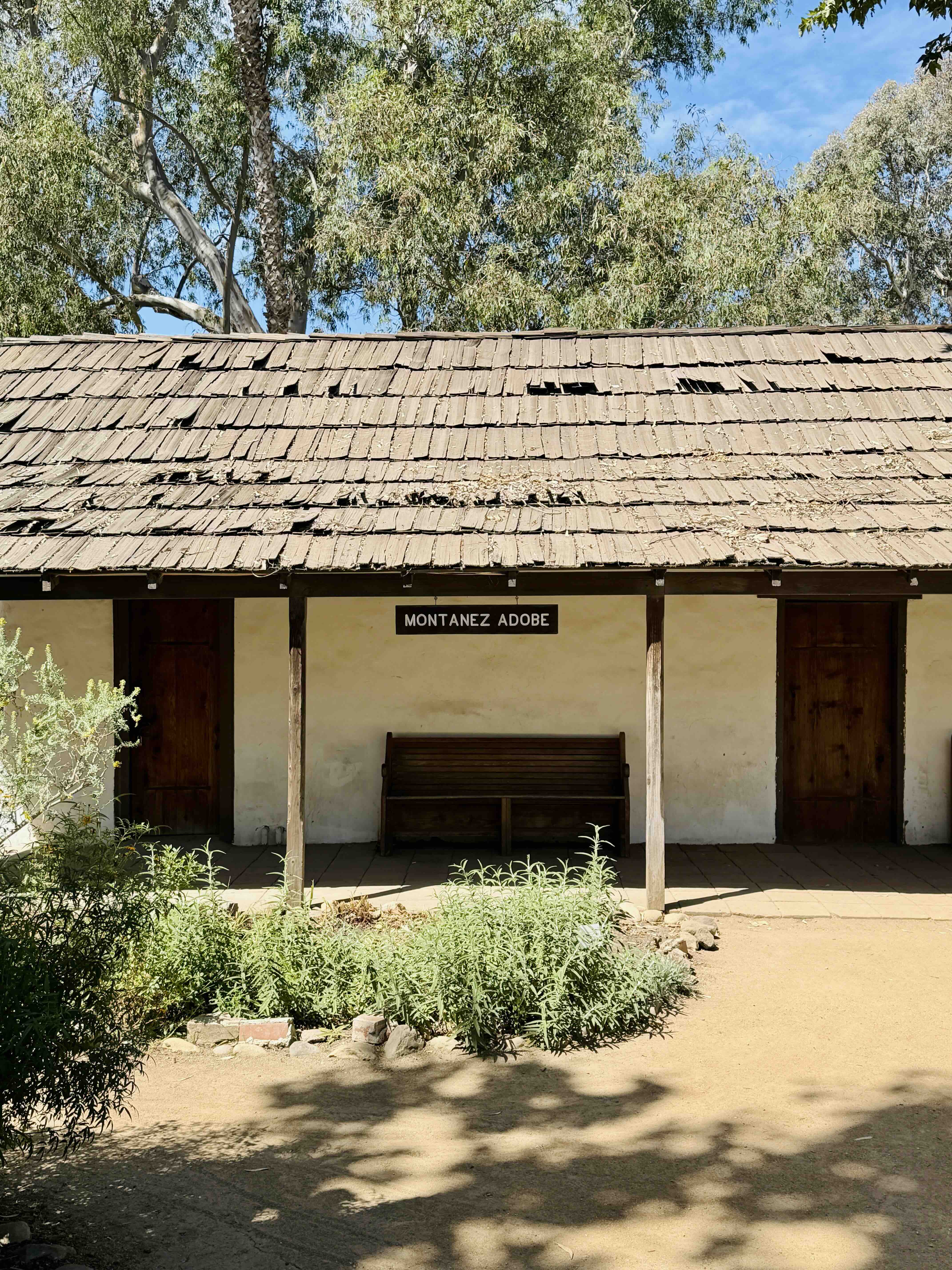
Fig. 02 — The 9 A.M. Bell
Mission San Juan Capistrano rings its bells daily. From the south end of Los Rios, the sound travels across the depot platform and lands in your kitchen. Some residents set their day to it. Others have moved.
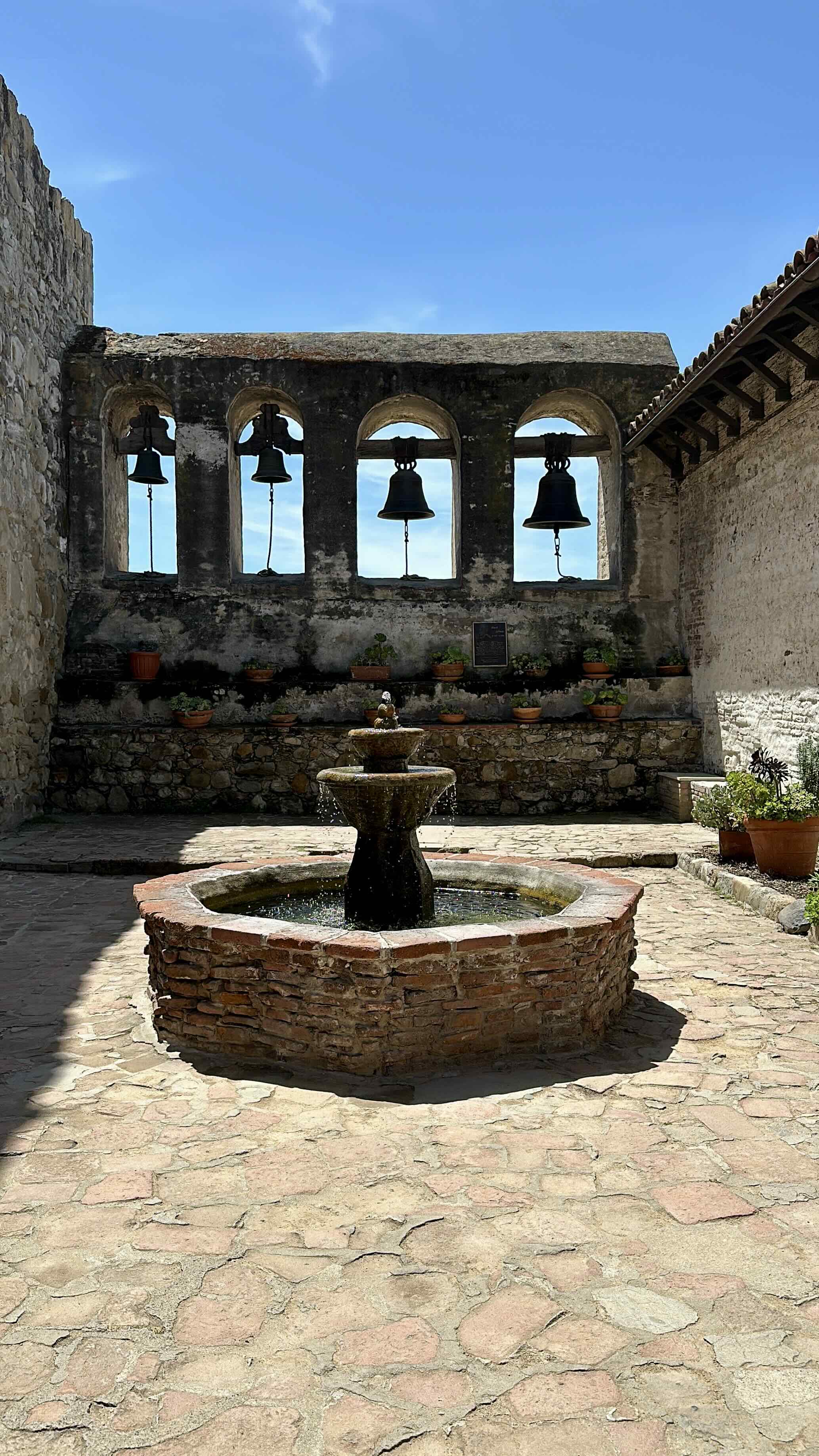
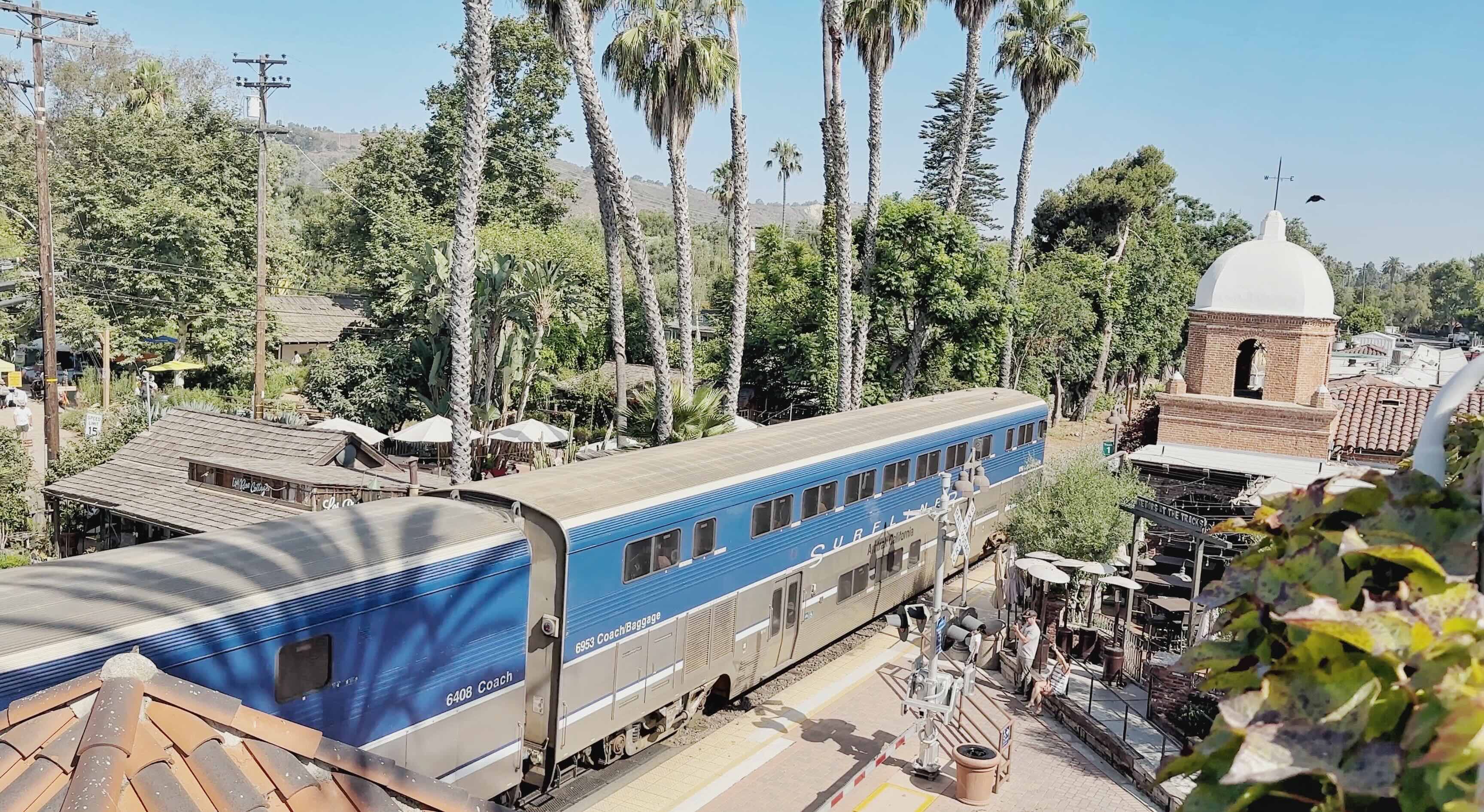
Fig. 03 — The Trains
The Pacific Surfliner and Metrolink share the corridor immediately east of the street. San Juan Capistrano has established quiet-zone protections along the corridor, but train noise remains part of the deal: crossing bells, vibration, station activity, and occasional horn use under safety or construction conditions.
Housing Snapshot
Los Rios is not a normal neighborhood comp set. Properties rarely list, turnover appears limited, and recorded transfers can require context before being treated as open-market comparables. The Rios family occupancy at 31781 Los Rios is a perfect example of why historical ownership context matters.
When relevant historic-stock properties in central San Juan Capistrano appear, pricing is driven by lot size, structural condition, historic status, restoration complexity, proximity to the Mission and depot, and Specific Plan restrictions. Historic-overlay pricing here does not follow neighborhood-average data or a stale range.
The Tradeoffs
First: tourism. A steady visitor flow moves between the Mission, the depot, River Street, and Los Rios. Front porches can become part of someone's heritage walk.
Second: rail and bell noise. Even with the city's quiet-zone protections, rail noise (through trains, crossing bells, vibration, and station activity) is a real feature of the location. City noise documentation and site visits at different times of day reveal a true baseline. Mission bells are predictable but unrelenting. Insulation upgrades may be limited by what the Specific Plan allows on a contributing structure.
Third: regulatory friction. The Los Rios Specific Plan governs paint color, signage, lot coverage, fencing, and exterior modifications. Contributing structures function more like preserved art than remodel projects.
Fourth: River Street's footprint. The marketplace at the district's edge has changed weekend traffic patterns around adjacent residential streets. Parking rules and resident-permit details are best confirmed directly with the city.
Quick Answers
Is Los Rios one of the oldest continuously inhabited residential streets in California?
Yes — it's widely counted among them. The original adobes were built in 1794 to house Mission workers, and the street has been continuously occupied since. The Rios family at 31781 represents continuous multi-generation occupancy in a single dwelling.
How often do properties on Los Rios Street trade?
Rarely. The district is small, turnover appears limited, and when properties do list, they typically require historic-district expertise and adobe restoration knowledge.
What's the pace of life next to the Mission?
Busy on weekends, active during visitor hours, quieter on many weekday afternoons. The Mission is the reason the street exists; life here operates on the Mission's schedule.
Are there restaurants on Los Rios?
Yes. Ramos House Café and The Tea House operate within the Los Rios Historic Residential district by accessory use permit. Larger dining and retail are at River Street Marketplace immediately adjacent.
How walkable is it?
Within the district, very. The Mission, Capistrano Depot (Amtrak/Metrolink), Los Rios Park, and River Street Marketplace are all reachable in a few minutes on foot. Outside the immediate district, driving is often required. Central SJC is compact but not pedestrian-continuous.
What protections govern the historic district?
National Register of Historic Places listing (April 4, 1983; Reference No. 83001216), the Los Rios Specific Plan 78-01 enforced by the City of San Juan Capistrano, and the SJC Docent Society's stewardship of the Montañez Adobe (owned by the City of San Juan Capistrano). Together they restrict what can be built, lock many exterior modifications behind review, and prevent ordinary redevelopment assumptions.
How does Los Rios compare to Old Towne Orange or Floral Park?
Floral Park (Santa Ana) is a full neighborhood of several hundred historic homes. Old Towne Orange is a one-square-mile concentration of late-19th and early-20th century structures anchored by The Plaza and Chapman University. Los Rios is the most compact and most tightly regulated of the three: a street, not a conventional neighborhood.
What are the schools?
Los Rios falls within Capistrano Unified School District. School assignments and performance vary by address and should be verified directly. The district itself is very small, so address-level verification matters.
Ethan Hauptli is a California-licensed REALTOR® (CA DRE #02191280) at Real Broker (CA DRE #02022092). This neighborhood guide is editorial content published by Venture: Orange County and is not a solicitation for the purchase or sale of any specific property. Information is general and does not constitute real estate, legal, financial, or tax advice. Consult a qualified professional before making decisions.