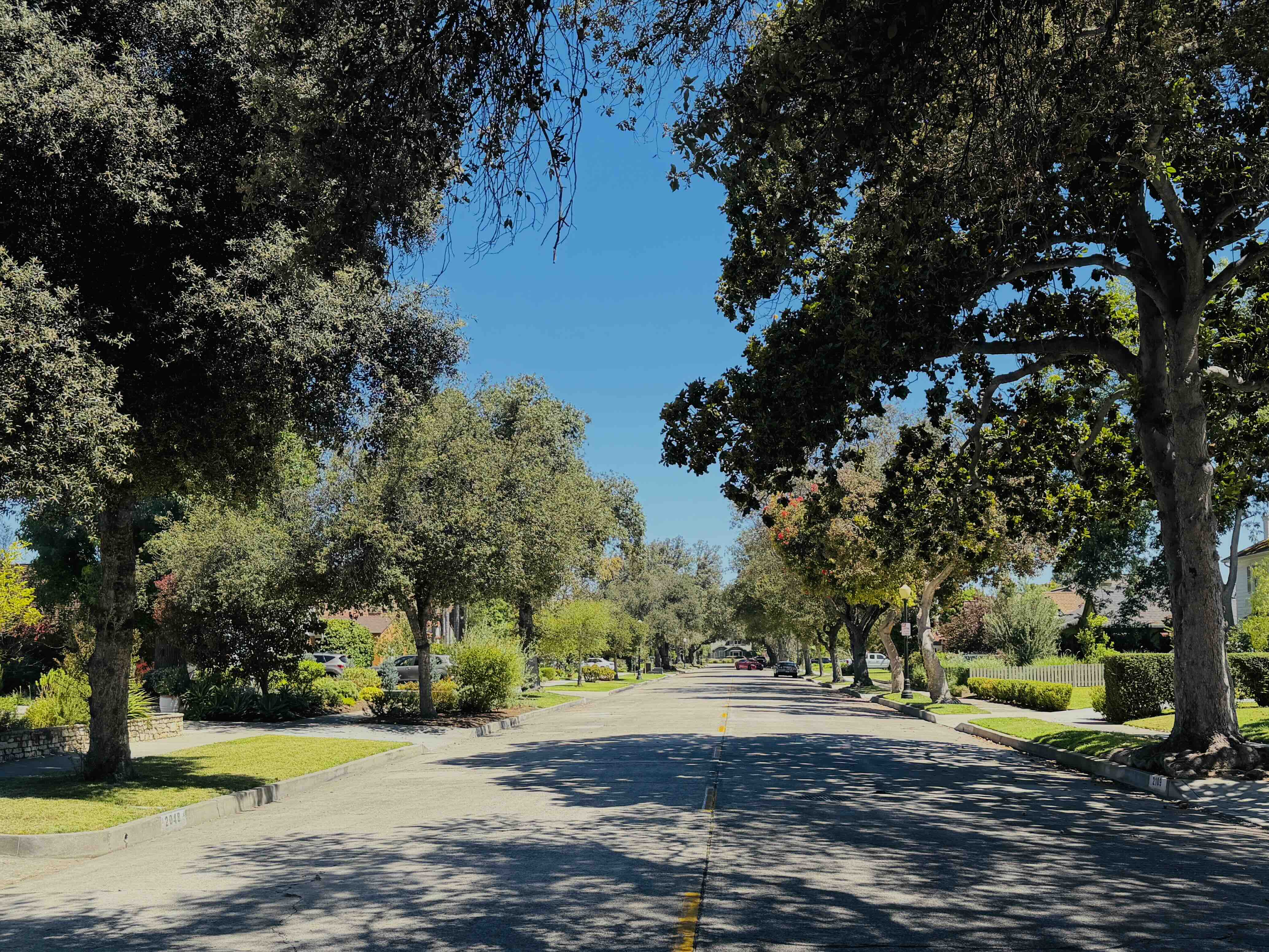
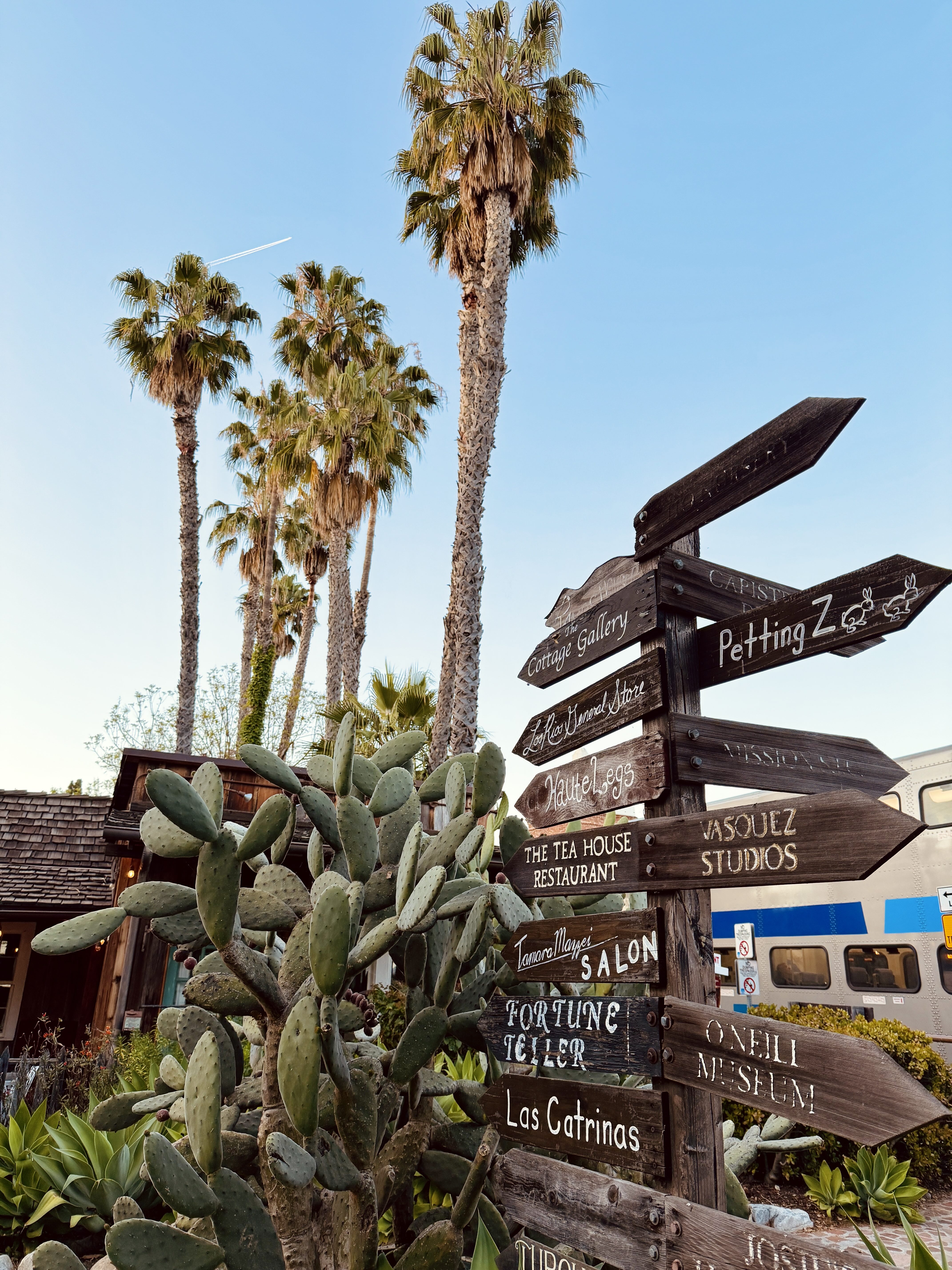
Old Towne Orange
One-square-mile time capsule where Chapman students, antique hunters, and preservation-minded owners share a traffic circle
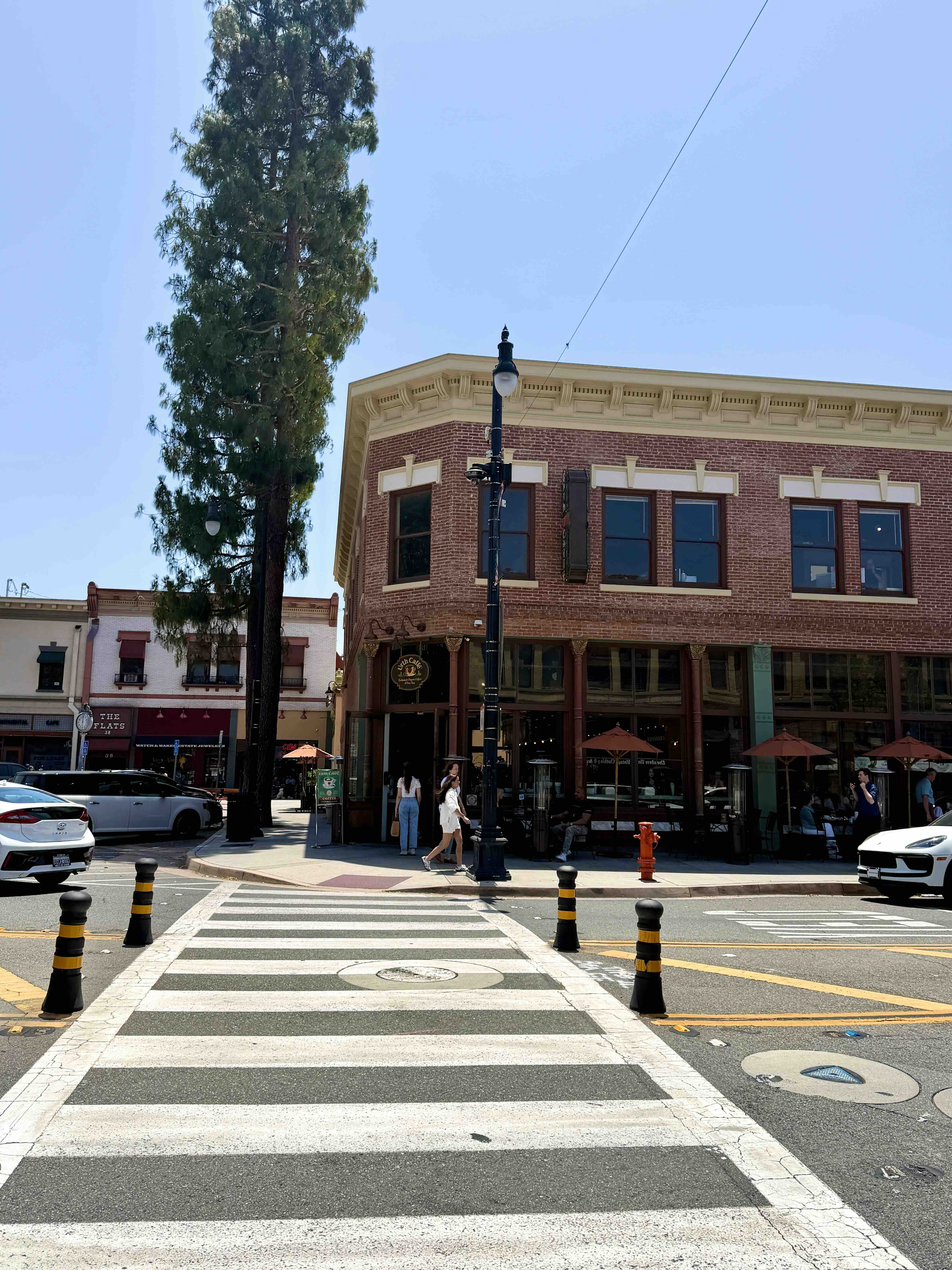
Old Towne doesn't do quiet. Unlike the preservation pockets tucked away in Santa Ana, Old Towne is an ecosystem. At its heart is "The Circle" — a plaza and traffic roundabout dating to 1886, crowned by an illuminated Westinghouse fountain installed in 1937 (replacing the 1887 original) that dictates the rhythm of the entire city. Streets radiate outward like spokes, lined with more than 1,300 vintage structures. What sits here is immersion: a home in the largest National Register historic district in California, plus a lifestyle where morning coffee is a walk, film crews shooting period pieces come with the territory, and sidewalks are shared with a private university.
The Big Picture
Old Towne covers roughly one square mile centered at the intersection of Glassell Street and Chapman Avenue. The city was founded in 1871, originally named Richland, but the U.S. Postal Service rejected the name in 1873 because a Richland already existed in Sacramento County. The founders rebranded as "Orange," and the district has fiercely guarded its architectural heritage ever since.
The area is heavily mixed-use. Residential blocks are leafy and quiet, but they sit steps from a commercial core that holds the title of "Antique Capital of Southern California." Add Chapman University's ivy-covered campus a few blocks north of the Plaza, and the district reads as living history rather than a museum.
The Highlights
The district's defining characteristics: unusual walkability for Orange County, with Plaza dining, antique shopping, coffee, Chapman University, and Metrolink access all within a few blocks. The Plaza itself functions as a public destination, drawing weekend visitors from across OC. Streets radiate outward from the 1886 traffic circle (fountain replaced 1937), lined with more than 1,300 vintage structures across 50+ architectural styles.
Old Towne Preservation Association enforces strict architectural guidelines. Exterior modifications typically require city approval and historical review. Parking near The Circle is competitive on weekends. Chapman University's presence brings student rental activity around the campus edge. Original lots often lack three-car garages, and square footage runs tighter than newer OC housing.
Lifestyle & Pace
The tempo is vibrant and relentlessly social. Mornings start with lines out the door at local coffee shops. Afternoons belong to collectors digging through antique shops around the Plaza. Evenings pivot to a Plaza dining scene anchored by long-running neighborhood restaurants and newer openings.
The community calendar sets the year. The biggest event, the Orange International Street Fair, completely shuts down the Circle every Labor Day weekend. The tradition dates to 1973.
Field Guide: Three Ways Old Towne Shows Itself
Fig. 01 — The Fountain
The 1937 illuminated Westinghouse fountain at Glassell and Chapman, seated in the middle of the 1886 Plaza. It replaced the 1887 original and still marks the literal center of the district.
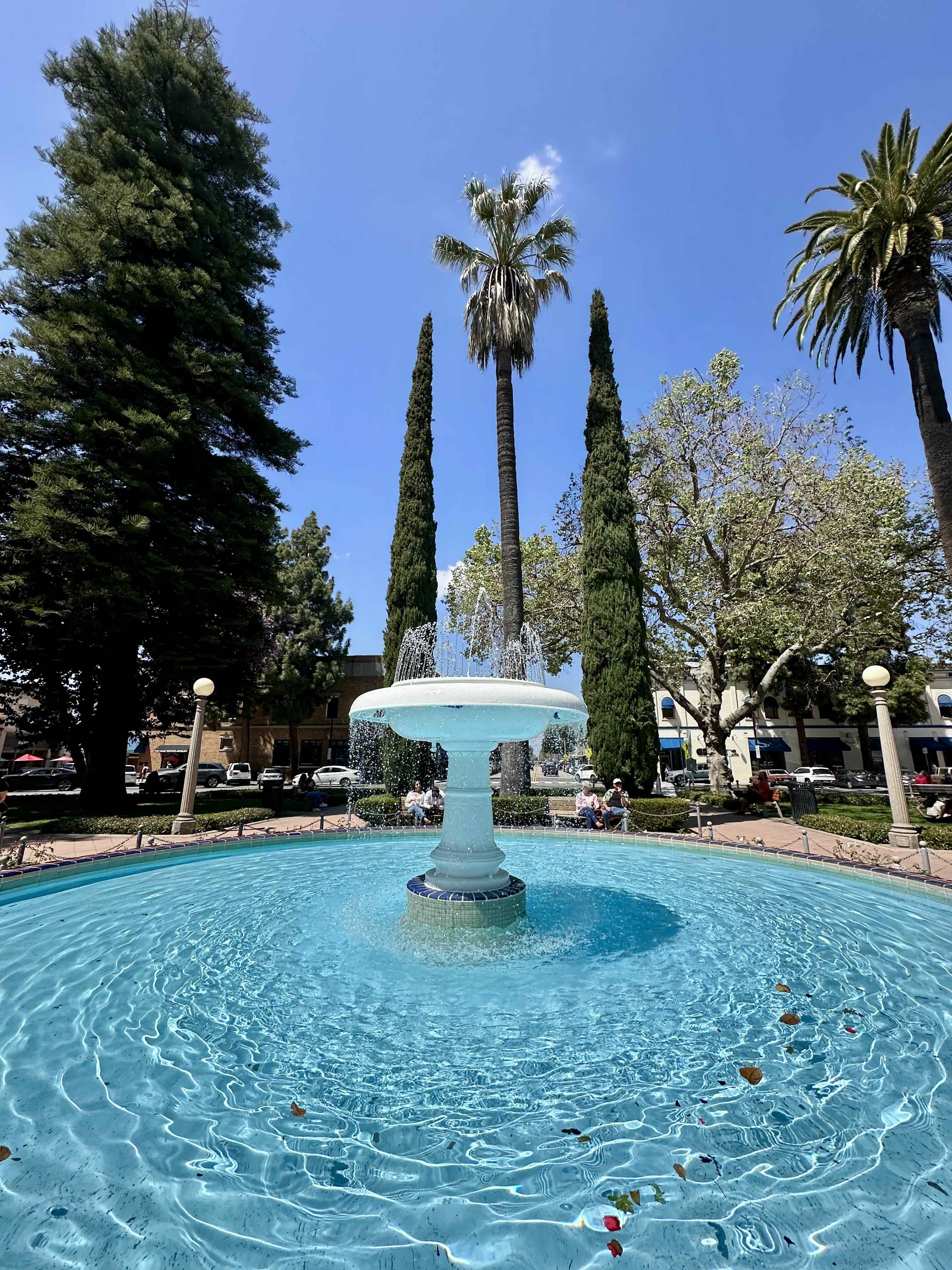
Fig. 02 — Storefronts and Signage
Painted lettering, brick facades, and preserved signage ringing the Plaza. The commercial character kept intact in the exact details.
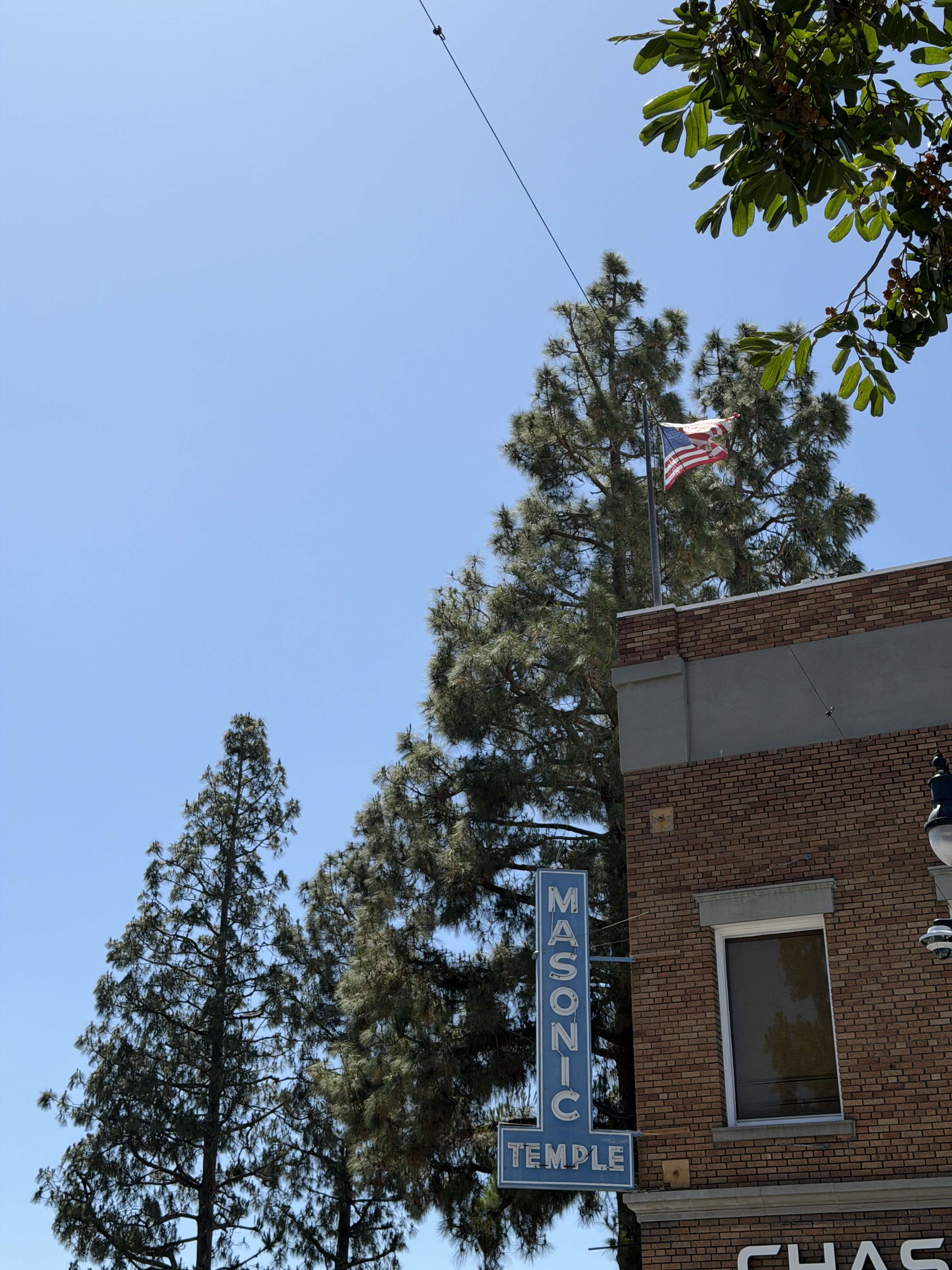
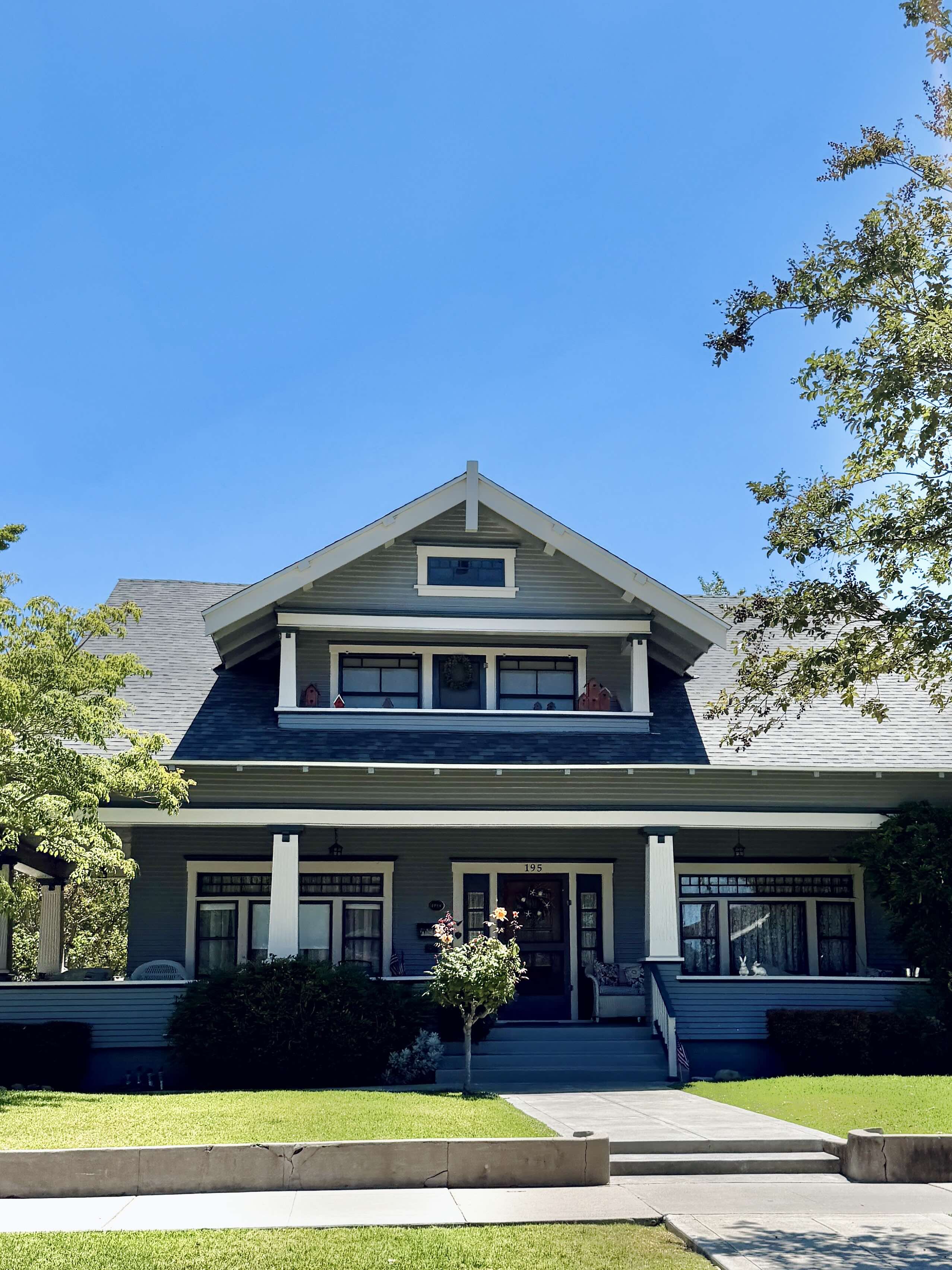
Fig. 03 — The Craftsman Porch
Tapered columns, low-pitched gables, American flags. The quintessential 1910s California Bungalow, photographed more than almost anything else in the county.
Housing Snapshot
Old Towne pricing varies widely. Condos, fixers, restored historic homes, Plaza-adjacent properties, and student-rental-influenced houses can behave like different markets. Rather than rely on a single median, current closed sales and active listings by property type, historical integrity, condition, lot size, and proximity to The Circle should be reviewed directly.
The stock is famously diverse: 50+ architectural styles built between 1874 and 1940. Craftsman and California Bungalow dominate, alongside Victorian, Queen Anne, Spanish Colonial Revival, Prairie, and Mission Revival. Pricing hinges on three variables: proximity to the Circle, historical purity, and lot size. A fully restored, registered home on a quiet block like Shaffer or Cambridge can command a premium. Properties near Chapman University may also be evaluated differently by investors and owner-occupants.
The Tradeoffs
First: parking. Because Old Towne is a major retail and dining destination bordering a university, parking near the Circle can be a daily battle. Historic homes without driveways compete for street spots.
Second: student density. Proximity to Chapman brings youthful energy and college rentals. A restored historic home may sit next to a rental house with a very different rhythm.
Third: preservation bureaucracy. Exterior changes may require city approval and historical review. The district treats homes as protected assets, not blank canvases.
Quick Answers
Is Old Towne Orange a good neighborhood?
It depends on what matters: architecture, walkability, and a lived-in historic district are the strengths. Privacy, silence, and turnkey modern finishes are not.
What does housing cost in Old Towne Orange?
It depends heavily on property type, condition, restoration quality, lot size, and proximity to The Circle. Historic purity and location drive the premium.
Is Old Towne Orange the largest historic district in California?
Yes. It is widely identified as the largest National Register historic district in California, with more than 1,300 historic structures across roughly one square mile.
What architectural styles are in Old Towne Orange?
More than 50 styles, built between 1874 and 1940. Craftsman and California Bungalow dominate, followed by Victorian, Queen Anne, Spanish Colonial Revival, Prairie, and Mission Revival.
What is The Circle in Orange?
The 1937 illuminated fountain at Glassell & Chapman, seated inside the 1886 Orange Plaza. It's the center of the district and the site of the Orange International Street Fair every Labor Day weekend since 1973.
Is Old Towne Orange walkable?
Yes, especially around The Plaza core. Dining, antiques, coffee, Chapman University, and Metrolink access are all close by for many homes, though exact walkability varies by block and errand.
What are the schools?
Falls within Orange Unified School District. Quality varies by school; the specific attendance zone for any address matters more than a district-wide average. Private and magnet options are also commonly considered.
How does Old Towne Orange compare to Floral Park?
Both are OC's anchor historic neighborhoods. Old Towne has more walkable retail, The Plaza, and a university at its edge. Floral Park has a larger, quieter residential feel and more emphasis on the homes themselves.
Ethan Hauptli is a California-licensed REALTOR® (CA DRE #02191280) at Real Broker (CA DRE #02022092). This neighborhood guide is editorial content published by Venture: Orange County and is not a solicitation for the purchase or sale of any specific property. Information is general and does not constitute real estate, legal, financial, or tax advice. Consult a qualified professional before making decisions.