
Most of Orange County was built to be driven through. Old Towne Orange was built to be walked. The difference shows up immediately when you step onto the sidewalk at Glassell Street and Chapman Avenue and realize the buildings around you have been standing for well over a century, since the town was first laid out around this plaza.
This is the Orange Circle, officially. Locals call it The Plaza. A traffic roundabout anchored by a fountain, ringed by two-story commercial buildings that date to the 1880s, and surrounded by one of the most intact historic residential neighborhoods in Southern California. It is the kind of place that makes you slow down without being asked.
The Plaza and What Surrounds It
The Circle itself is antique stores on every side — that much is well known, and it delivers exactly what it promises. Dozens of shops run the full spectrum from serious American furniture to ephemera that takes an hour to sort through. The Antique Depot on the east side of the plaza is one of the larger dealers, organized enough to be useful, chaotic enough to be fun.
Coffee and the Things That Keep a Neighborhood Honest
Contra Coffee and Tea on the other side of the Circle is the local alternative: smaller, more eccentric, the kind of place where the regulars have a regular order and the barista knows it.
The Hilbert Museum of California Art at 167 N. Atchison Street, near the Metrolink station, holds a genuinely serious collection of California representational art. It is free with reservation, underattended, and worth two hours of anyone's afternoon.
The Residential Streets
Walk east of the Circle on any of the cross streets off Glassell and the houses start immediately. Craftsman bungalows with wide porches and original woodwork. Spanish Revival with terra cotta tile that has weathered into the right shade of orange. Queen Anne Victorians that have been maintained by owners who understand what they have. The scale is human — these are 50-foot lots with single-story houses and front yards that face the sidewalk, not garages that face the street.
This is the Old Towne Orange Historic District, one of the largest National Register historic districts in California. That designation has kept the teardown economics that hollowed out other OC neighborhoods from taking hold here. What exists is roughly what has long existed, which is the whole point.
Chapman University
Chapman University was established in 1861 in Woodland, California, and relocated to Orange in 1954. Its campus blends into the district rather than overriding it — the buildings use compatible scale and materials, the students walk to the coffee shops and bars, and the faculty live in the surrounding Victorians. The university brings an intellectual current that keeps the neighborhood from feeling like a preserved artifact instead of a living place.
Where to Eat, Drink, and Stay
The dining geography is tighter than it looks. The core is three blocks of Glassell between the Circle and Chapman — that stretch holds Haven, Smoqued, Citrus City Grille, and a handful of smaller spots. The Filling Station Café, a converted 1920s gas station, is the brunch anchor: long waits on weekends, worth it on a weekday. The Watson Building at the corner of Glassell and Chapman housed Watson's Drug Store & Soda Fountain for over a century before it closed — one of the last historic soda fountains in California. Gabbi's Mexican Kitchen a few blocks south on Glassell is the district's most serious dining destination — a Michelin Bib Gourmand that blends modern technique with indigenous Mexican recipes in a space that looks unremarkable from the outside and delivers something worth returning for.
For cocktails, The Richland is the answer. A boutique hotel that opened in the historic district, its Living Room Bar has become the district's best cocktail program — small menu, serious execution, the kind of bar that works because it is for the neighborhood first and for visitors second.
The Farmers Market and Annual Events
The Old Towne Orange Farmers Market runs at 303 W. Palm Avenue — not at the Circle as most people assume. It is a Saturday morning market with produce, prepared food, and the specific energy of a neighborhood where people have chosen to be somewhere on purpose.
The Orange May Parade and Taste of Orange bring the district's calendar into focus each spring. These are local events that happen to be good, not tourist events that happen to have locals attending — a distinction that matters.
Who This Is For
Old Towne Orange is for people who want to live somewhere with a specific character. Buyers who want a Craftsman with original details on a walkable street and are willing to pay for what that means in the current market. Renters who want a neighborhood identity they didn't have to invent. Visitors who are tired of the new-construction dining-and-retail format that has colonized every other part of the county.
It is not for people who need a large lot, modern construction, or easy access to the 405 corridor. The streets are narrow, the parking is imperfect, and the closest freeway is the 55. The Lemon Street and Maple Avenue parking structure near the Metrolink station is the practical answer for anyone coming from outside the neighborhood.
What makes Old Towne Orange work is that it has rarely tried to become a destination. It kept being a neighborhood where people live, shop, and eat — and the history stayed intact because the community did too. That is the rarest thing in Orange County.
Ethan Hauptli is a California-licensed REALTOR® (CA DRE #02191280) at Real Broker (CA DRE #02022092). This article is editorial content published by Venture: Orange County and is not a solicitation for the purchase or sale of any specific property. Information is general and does not constitute real estate, legal, financial, or tax advice. Consult a qualified professional before making decisions.
More from Orange County
Discover what else is happening across the region
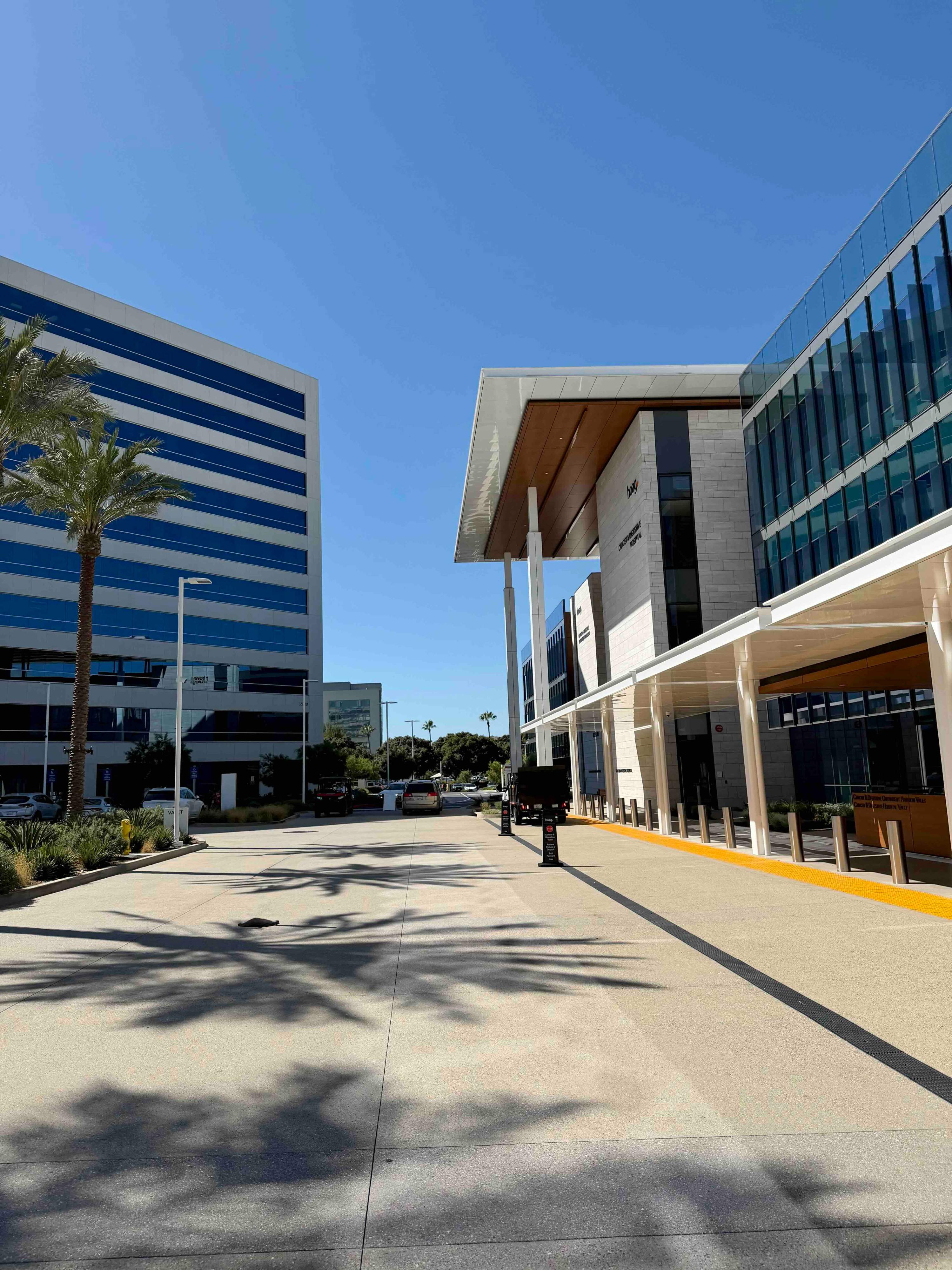
Hoag Built a Hospital Village in Irvine. Here's What's Inside.
Hoag's Sun Family Campus is open: 155 new beds, a women's hospital with a Level III NICU, and what Hoag calls OC's first cancer urgent care.
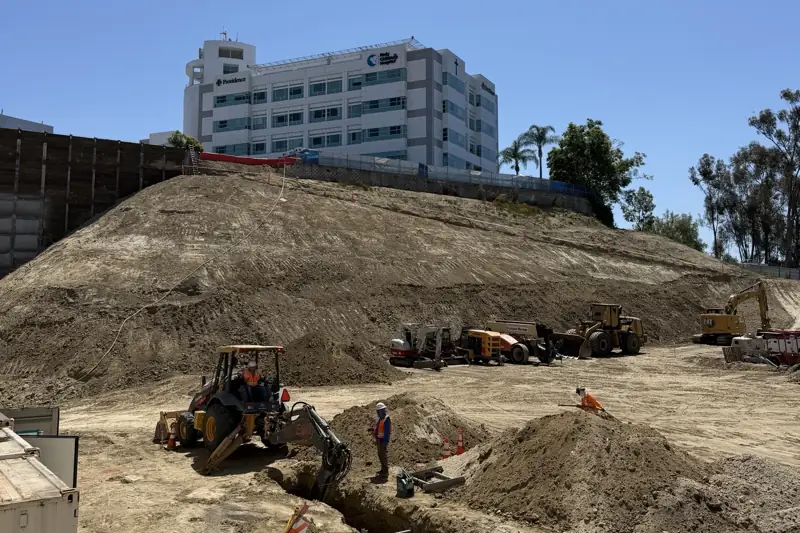
Mission Viejo Gets the Tower. Laguna Beach Gets the Question.
Providence is spending $712M to grow its Mission Viejo campus and open clinics farther south. Laguna Beach's hospital is the piece still in play.
What to Do in Orange County: Pick by Time, Budget and Vibe
Eight OC outings sorted by how much time, money and patience you actually have. Current prices, real parking costs, honest tradeoffs.
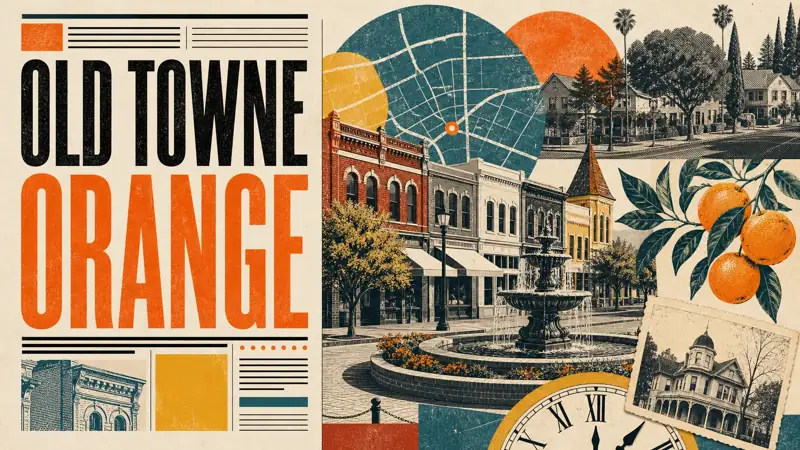
Inside Old Towne Orange: The Neighborhood That Feels Like a Time Capsule
The largest National Register historic district in California, and the only OC neighborhood built for walking. A block-by-block guide.
More from Orange County
Discover what else is happening across the region